From innovation to impact: LandLogic is testing property intelligence with Evergreen

The technology shaping our cities cannot be developed in isolation.
Before a new tool can meaningfully improve how housing is planned, sites are evaluated or development decisions are made, it needs to be tested against the complexity of the real world, with the people who actually plan, build, approve and deliver projects.
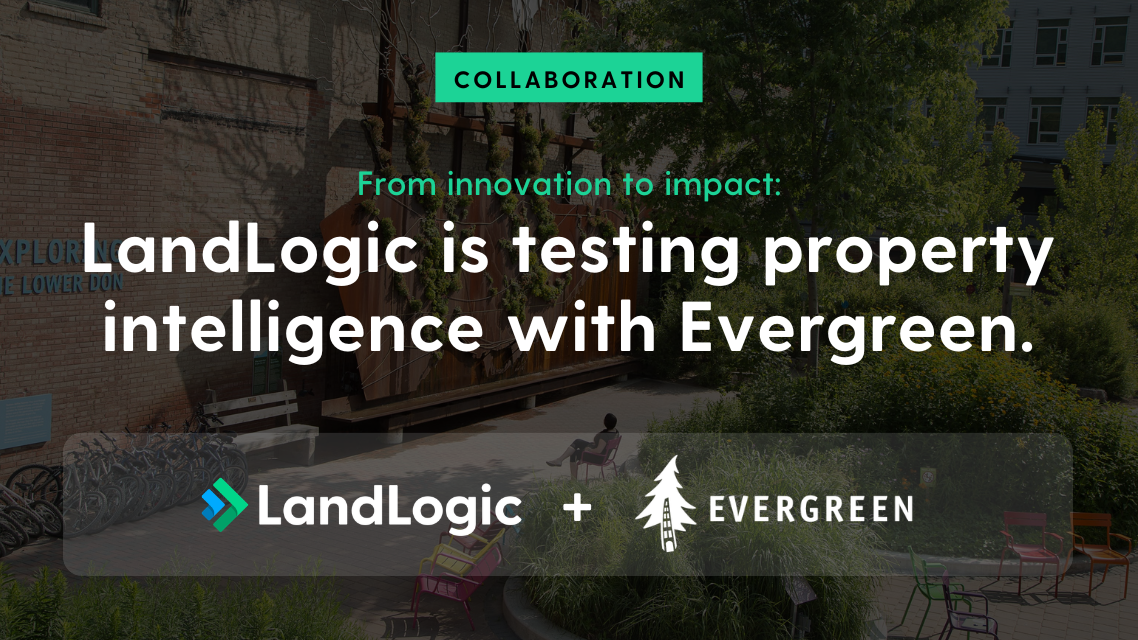
That is why LandLogic is excited to be working with Evergreen through the Evergreen Brick Works Technology Development Site, part of the Ontario Centre of Innovation’s Critical Industrial Technologies initiative.

Photo credit: Geoff Fitzgerald
Over a three-month industry validation and commercialization project, LandLogic will work through Evergreen’s ecosystem to test and refine its AI-powered property intelligence capabilities with stakeholders across housing, construction, development and the public sector.
LandLogic harnesses AI capabilities to help transform large amounts of raw, fragmented zoning, planning, and property data into a structured, harmonized format that can power a range of tools and workflows for understanding land and development opportunities.
The work with Evergreen is expected to include demonstrations, workshops, user interviews, pilot testing or structured feedback sessions. For LandLogic, it is an opportunity to put technology built for the development ecosystem in front of the people who navigate that ecosystem every day. But the significance of the program goes beyond LandLogic.
It reflects a broader idea about how better cities get built: bring technology, industry and real-world environments together early enough that innovation can be tested, challenged and improved before it scales.
Evergreen Brick Works: a place for ideas to be tested
Evergreen is a national non-profit focused on transforming public spaces in cities to build a healthier future for people and the planet. Through its work across Canada, Evergreen brings communities and partners together to create public places that respond to some of the most pressing challenges facing cities.
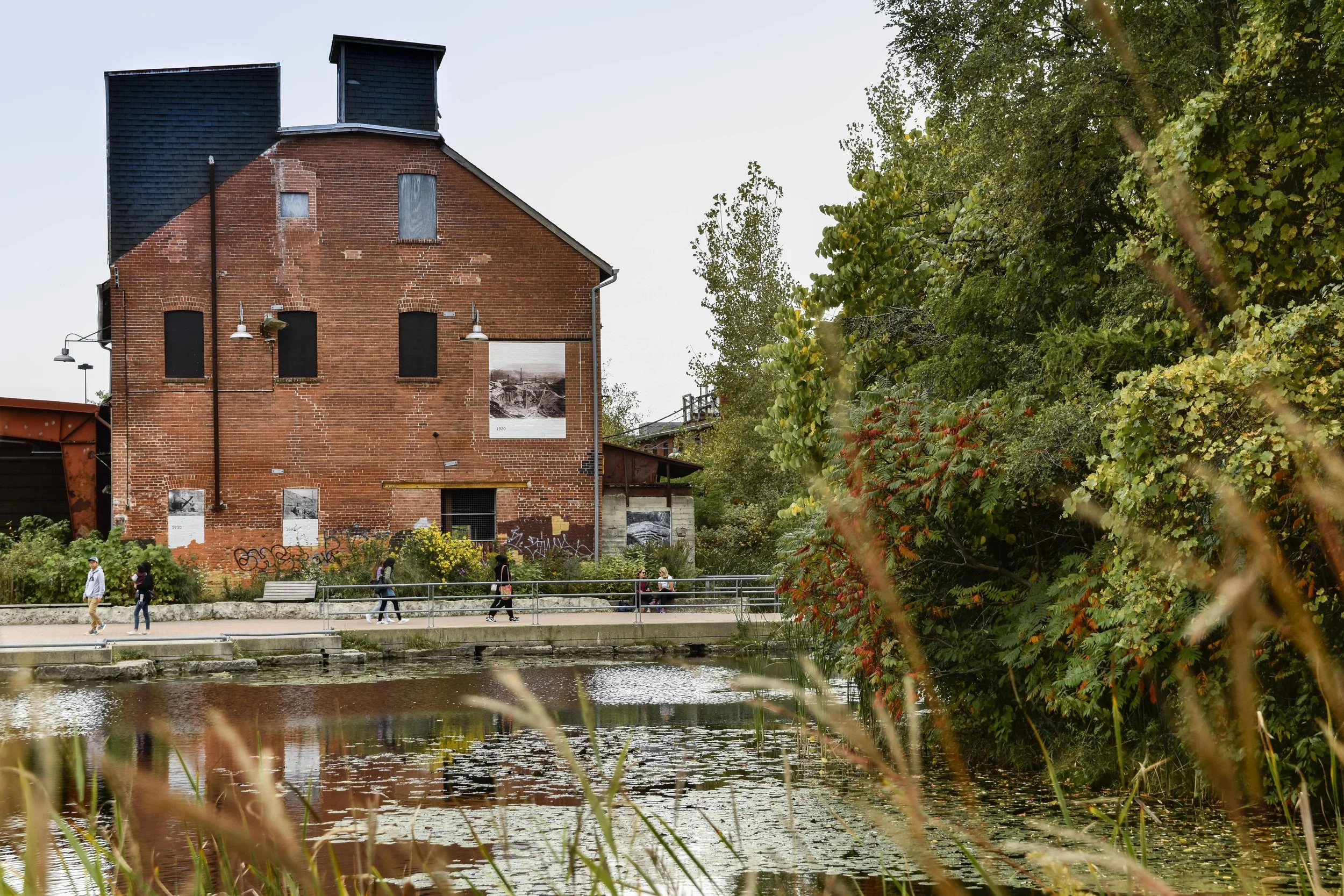
Photo credit: Andrea Davidova
Evergreen Brick Works in Toronto is perhaps the clearest physical expression of that approach. The site was once an industrial brick factory. Today, it is a public space, community destination and testing ground for new approaches to city building.
Evergreen describes the Brick Works as a place where things have long been “built, tested and proved.” That history now has a modern expression: Evergreen Brick Works has been designated as a Technology Development Site, giving Ontario companies an opportunity to test emerging technologies in a real-world environment.
That makes it a particularly relevant setting for LandLogic.
Property intelligence may be digital, but the decisions it supports are anything but abstract. Zoning determines what can happen on a site. Planning policy shapes how communities evolve. Development decisions affect housing, businesses, infrastructure and the public realm.
Testing the technology behind those decisions requires more than software testing. It requires engagement with the people and organizations who understand how those decisions are actually made.
What LandLogic is testing
LandLogic is building the infrastructure layer for property intelligence. It standardizes fragmented zoning, planning, and property data into AI-ready infrastructure that powers analysis workflows and applications.
Through Evergreen, LandLogic will test how that infrastructure performs in real development scenarios, helping users understand site opportunities, identify constraints, assess applicable requirements and resolve key questions earlier in the development process.
The emphasis is not simply on whether the technology works. It is on whether it works for the people who need to use it.
Workshops, demonstrations, interviews and pilot sessions will help LandLogic understand how different stakeholders use the platform, where it creates value and where the workflows need to improve.
What this means for cities
Cities are shaped by thousands of decisions about land. Before a project moves forward, someone has to understand what is possible, what rules apply and what constraints need to be addressed. When that information is fragmented or difficult to interpret, uncertainty enters the process early.
Better property intelligence can improve that starting point. It can help project teams identify issues sooner, compare opportunities more efficiently and spend less time assembling information from disconnected sources.
That is what makes Evergreen Brick Works such a fitting place for this work. It has evolved from a place that physically produced the materials used to build Toronto into a place where new approaches to city building can be tested.
For LandLogic, the opportunity is to learn directly from the people making real decisions about housing, development and the built environment, and use that feedback to strengthen the infrastructure underneath those decisions. For Evergreen, it is another way to bring innovation into a real urban context and explore how new tools can contribute to better outcomes for cities.
The goal is not technology for its own sake. It is giving the people who shape our cities clearer information, earlier in the process, so better projects can move forward with fewer avoidable delays and less friction.
The key opportunity is this: better property intelligence can lead to better land decisions, and better land decisions can help build better cities.